
Beyond the UNFCCC COPS : A New Climate Coalition puts science at the heart of global action
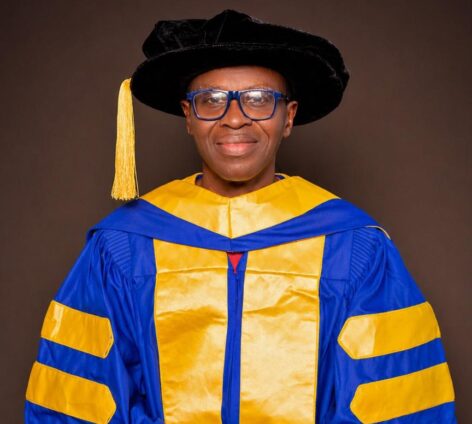
A quiet but potentially transformative shift in global climate governance is underway or has emerged. While the world’s attention often gravitates toward the annual United Nations framework convention on climate negotiations ,commonly referred to as ( climate summit or COP) a new model of cooperation is emerging,one that places science, rather than politics, at the center of decision-making.
Mahama visits tidal waves hit Fuveme in Volta Region
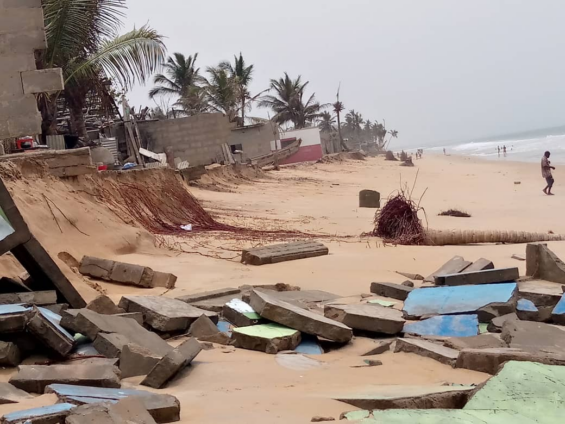
President John Dramani Mahama has paid a working visit to Fuvem, in the Anlo Constituency of the Volta Region, which was hit by tidal waves. The visit was to show solidarity, assess the damage firsthand, and outline the government’s measures to address the situation.
The Keta Lagoon passes through Fuveme and empties itself into the sea through the Volta River Estuary at Ada Foah in the Greater Accra Region.
Ghana Moves Closer to Blue Economy Policy with Stakeholder Validation in Accra
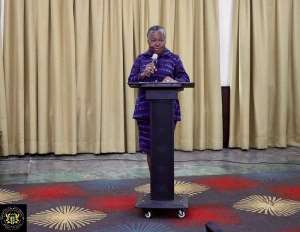
Ghana has taken a significant step toward advancing sustainable ocean and water resource management with the validation of its draft Blue Economy Policy by the Ministry of Fisheries and Aquaculture Development.
At a stakeholder validation workshop held on Monday, April 20, 2026, at the Alisa Hotel in Accra, policymakers, experts, and industry players convened to review and refine the country’s zero draft Blue Economy framework.
Ghana, Norway deepen blue economy ties with new Ocean Development Programme
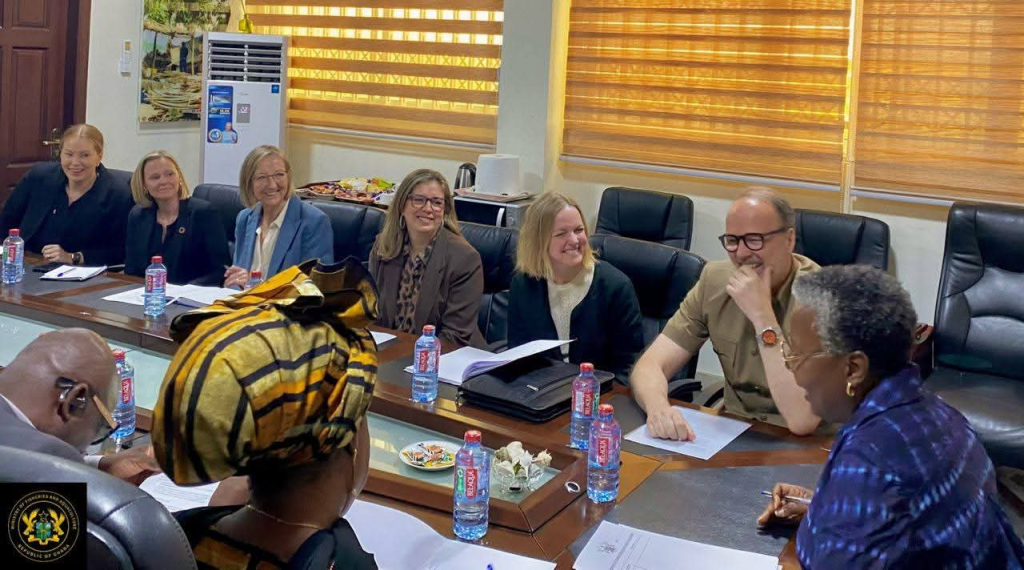
Ghana has taken a significant step toward building a sustainable Blue Economy following high-level discussions with the Royal Norwegian Embassy on a proposed Ocean for Development Programme.
The Norwegian delegation, led by Ambassador His Excellency Dr. John Mikal Kvistad, met with the Minister for Fisheries and Aquaculture, Hon. Emelia Arthur, along with senior officials from the Ministry and the Fisheries Commission, to advance the initiative.
The engagement comes on the back of Norway’s formal commitment to support Ghana’s Blue Economy Strategy. Both countries reaffirmed their dedication to sustainable ocean governance under the High-Level Panel for a Sustainable Ocean Economy, a global initiative promoting the sustainable use of ocean resources.
President Mahama to launch landmark Free Primary Health Care Programme
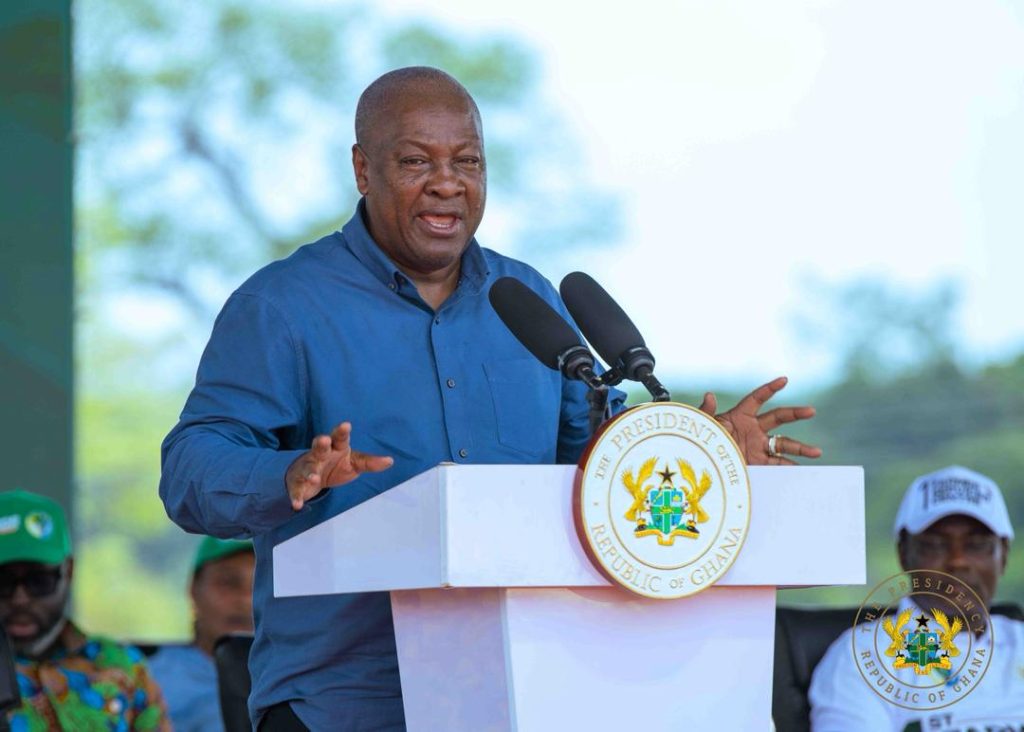
President John Dramani Mahama is set to officially launch his flagship Free Primary Health Care Programme this Wednesday, aimed at achieving Universal Health Coverage.
The initiative, a cornerstone of the President’s social contract with the Ghanaian people, will begin its first phase by targeting 150 underserved districts nationwide over the next two months.
Speaking at the Government Accountability Series at the Presidency, the Minister for Health, Kwabena Mintah Akandoh (MP), detailed the massive logistical rollout accompanying the policy.
20 years in the making: Brazil protects a vast, rare ocean refuge
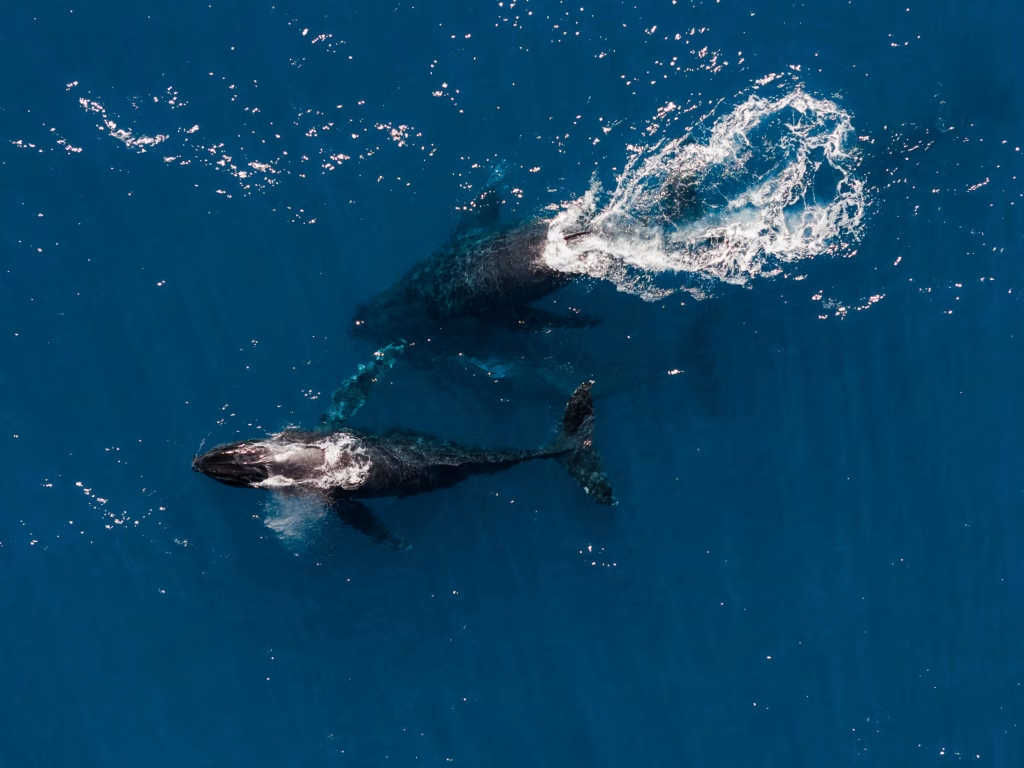
At Brazil’s southernmost tip, a convergence of warm tropical currents with frigid Antarctic waters creates one of the planet’s most extraordinary marine ecosystems.
For twenty years, researchers and environmentalists have fought to protect it from overfishing and the encroachment of offshore windfarms.
Their efforts have paid off.
G7 One Health Summit launches global diagnostics initiative, and other health stories
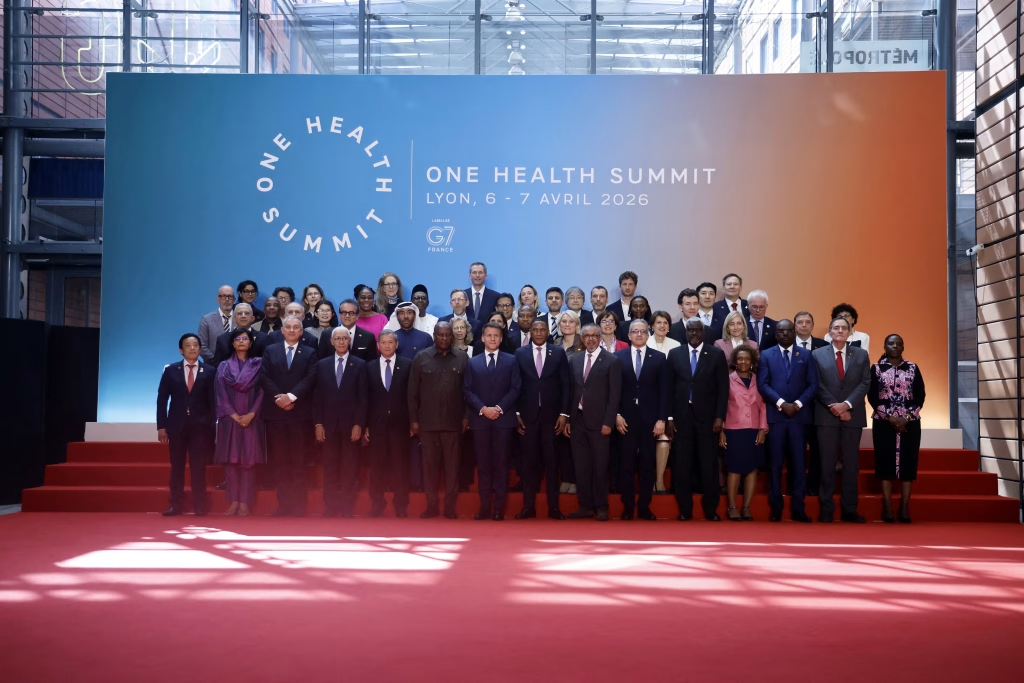
At the G7 One Health Summit from 5-7 April in Lyon, France, more than 20 international partners unveiled a global initiative to strengthen health security across human, animal and environmental systems.
Ghana & France bolster ties as President Mahama begins official visit
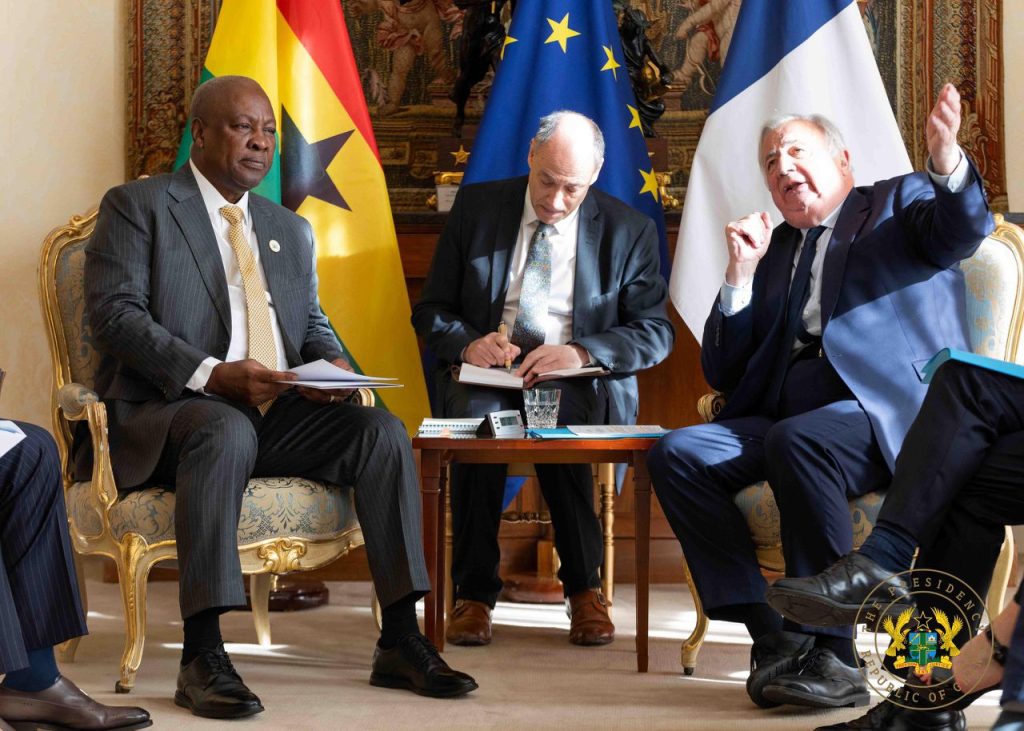
President Mahama today began his one-day official visit to Paris with a meeting with the President of the French Senate, Gerard Larcher.
He was welcomed with a military ceremony before the bilateral meeting, which discussed among others trade and investment, regional security and the fight against terrorism, France support for maternal health and agriculture in Ghana and the remarkable improvement to Ghana’s economy under President Mahama.
Mr Mahama and his delegation, which includes the Foreign Minister Samuel Okudzeto Ablakwa (MP), National Security Advisor Prosper Bani, Secretary to the President Dr Callistus Mahama, Presidential Advisor and Special Aide Joyce Mogtari and Ghana’s Ambassador to France Mavis Frimpong will later today hold talks with the French President Emmanuel Macron at the Elysee Palace.
Seaweed for development: Trade, regulations and standards for inclusive growth

Seaweed is gaining attention as a versatile resource for sustainable development. It is used in food, agriculture, pharmaceuticals, cosmetics and new bio-based materials. It grows quickly, requires few inputs and can support jobs, food security and climate goals.
But the sector faces clear limits. Production and trade are concentrated in a few countries, rules are fragmented and many developing countries struggle to access markets or move up the value chain.
Kenya intensifies investment in blue economy to spur jobs, coastal development
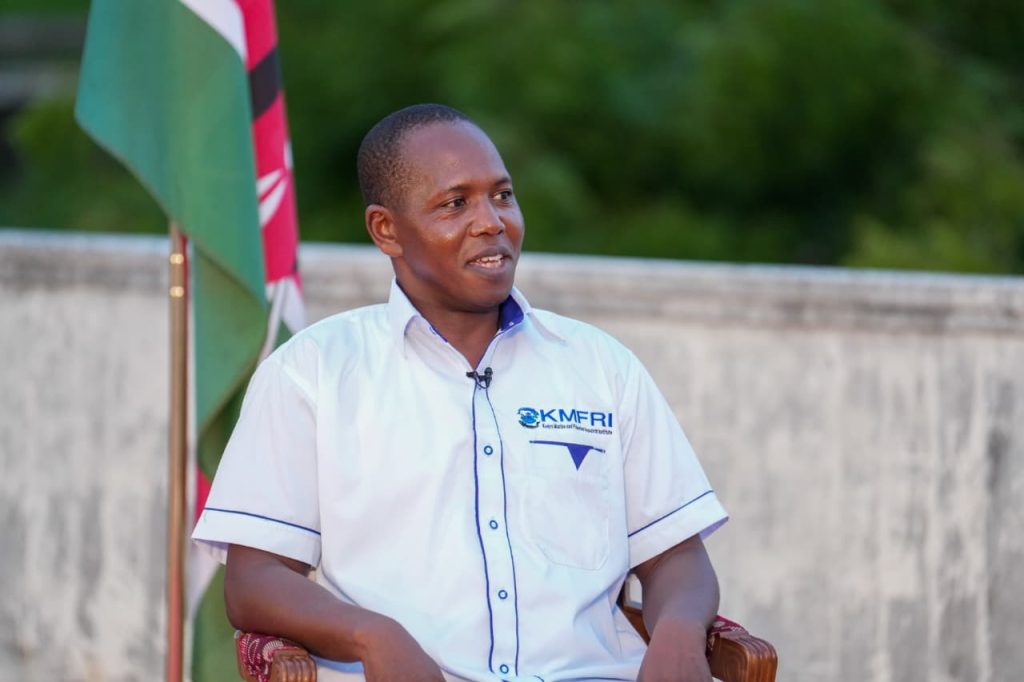
Kenya is ramping up investment in the blue economy as part of a broader strategy to drive economic growth, create jobs and promote environmental sustainability, with a strong focus on aquaculture and marine resource management.
The government is currently establishing the National Mariculture Resource and Training Centre in Kwale County, which is set to become the largest facility of its kind in East Africa.