
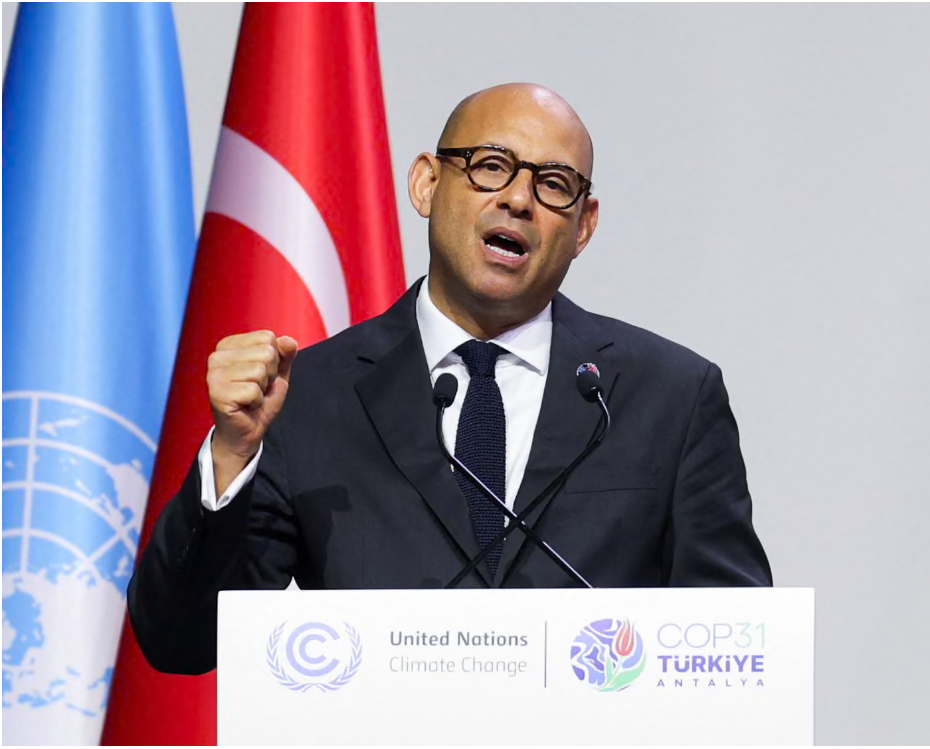
Cop31 as it happened: world leaders gather for crucial climate crisis talks
The EU is almost on track to meet its 2030 climate targets, an official report has found, but efforts to cut pollution fall well short of its 2040 and 2050 targets. The report, published today by the European Environment Agency (EEA), found EU emissions fell by 1.6% in 2025, though at a slower pace than […]
Ocean Panel Publishes 2026 Progress Report
Across the Ocean Panel, progress is evident as all 19 members are currently developing or implementing their Sustainable Ocean Plans (SOPs), a key part of their commitment to sustainably manage 100% of their national waters. Members are putting in place have enabling conditions needed to deliver these plans, such as stronger legal and institutional frameworks, integrating ocean priorities into climate policy, expanding marine conservation and increasing financial commitments.
Ocean Panel leaders reaffirm commitment to ocean action on the road to COP31
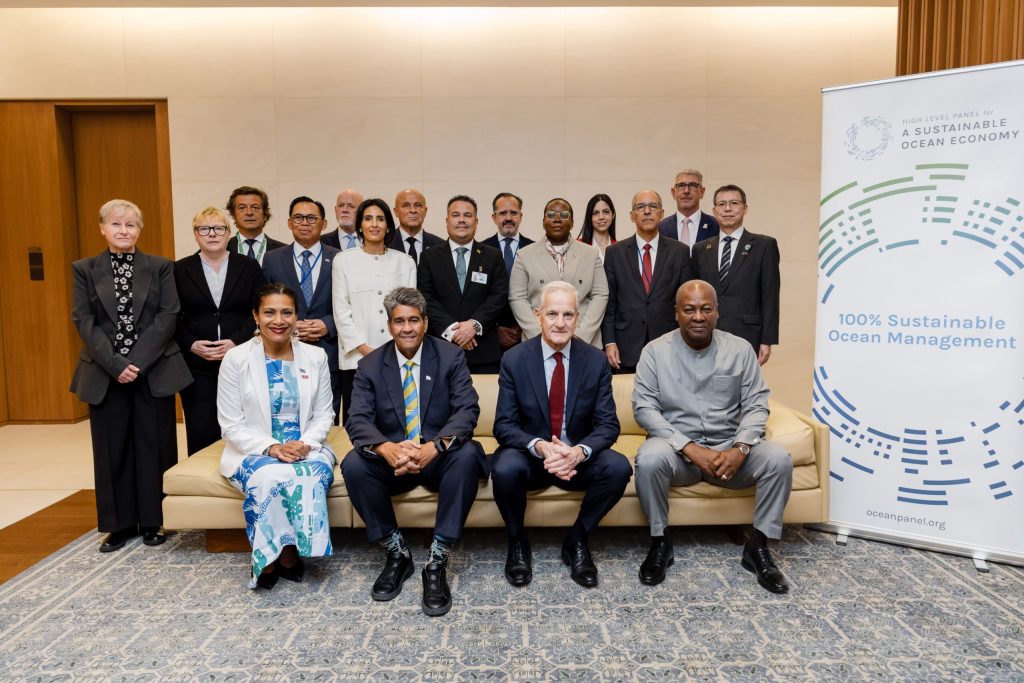
Members of the High Level Panel for a Sustainable Ocean Economy (Ocean Panel) held their annual leaders’ meeting today, co-chaired by President Surangel Whipps Jr. of Palau and Prime Minister Jonas Gahr Støre of Norway, where they reaffirmed the central role of the ocean in climate action and discuss priorities for the road to COP31 in Türkiye.
During the meeting, the Government of Australia announced the delivery of its Sustainable Ocean Plan, which will guide 100% sustainable management of Australia’s vast and diverse national waters. Additionally, the Government of Canada also confirmed that the next Our Ocean Conference will be hosted on 10-11 May 2027 in Halifax, Nova Scotia.
Hunger, Food Insecurity Down, But Regional Progress Uneven: SOFI 2026
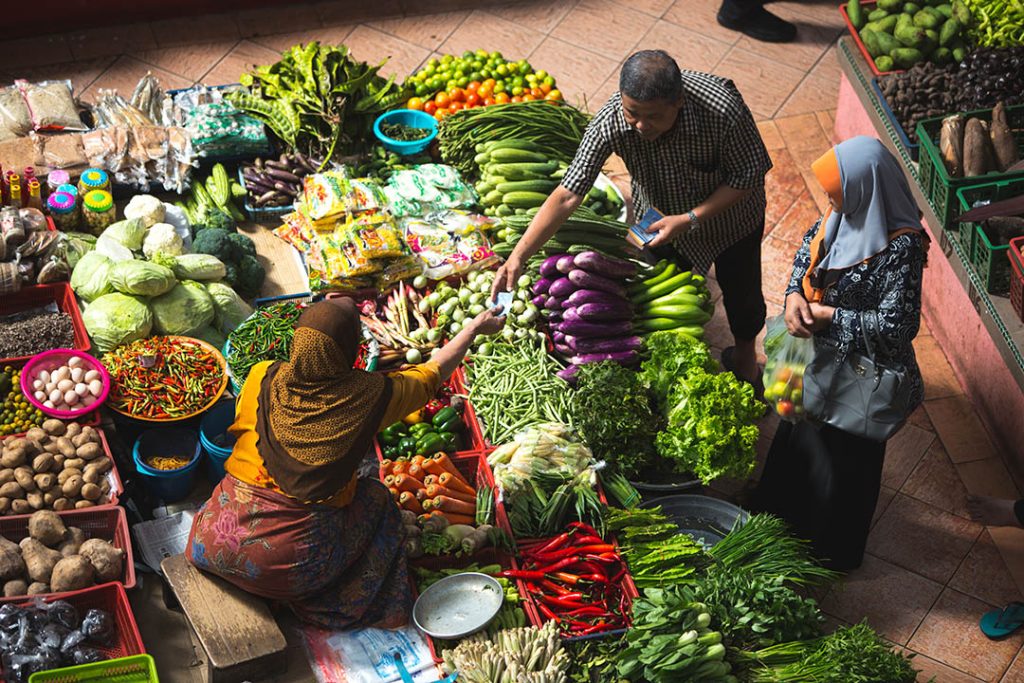
The Food and Agriculture Organization of the UN (FAO) and partners have launched the 2026 edition of the annual State of Food Security and Nutrition in the World report (SOFI 2026). The report shows a decrease in the number of people suffering from hunger globally, from 8.1% in 2024 and 8.6% in 2022, to 7.8% in 2025 – about 645 million people in total. However, these numbers conceal significant regional disparities, with the highest number of hungry people in absolute terms found in Africa.
Why cybersecurity is now a strategic imperative for business growth, trust and resilience

Cyber incidents now quickly become a leadership problem. Cyber incidents have impacts on operations, the balance sheet and the trust that keeps customers and partners leaning in.
Yet too many organizations still treat cybersecurity as a technical function or a compliance hurdle. That misalignment is becoming harder to defend as geopolitics, regulation, supply-chain interdependence, cybercrime and emerging technologies increase the complexity of the cyber landscape.
Congo Basin Countries Forge Strategic Path to Carbon Markets with Roadmaps to Monetize Forest Wealth

WASHINGTON, February 23, 2026 – Six countries of the Congo Basin—Cameroon, Central African Republic, the Democratic Republic of Congo, Equatorial Guinea, Gabon, and Republic of Congo—are working to take bold steps to unlock results-based payments and climate finance. The newly launched Strategic Roadmaps for Carbon Market and Climate Finance in the Forest Sector for the Congo Basin Countries developed with support from the World Bank, serve as blueprints to transform the region’s vast forest wealth into a powerful engine for climate-resilient growth and sustainable development and green jobs.
These roadmaps provide country-specific blueprints to help High Forest, Low Deforestation (HFLD) Congo Basin countries to engage credibly and effectively in global carbon markets, mobilize results-based finance, and transform their forest assets into engines for climate-resilient growth. Tailored to each country’s readiness and institutional landscape, the roadmaps build on the foundational data from Congo Basin Forest Ecosystem Accounts to create a comprehensive framework aligning nature and climate goals with national development priorities. As part of the World Bank’s broader Analytical and Advisory Services (ASA) for the Congo Basin, these roadmaps aim to shift the region’s development narrative—from one of forest loss or degradation to forest-led growth.
Reset agenda not a mere political slogan – Bampoe-Addo

Nana Oye Bampoe-Addo, Deputy Chief of Staff, has described the ‘reset agenda’ as more than a political slogan, but a deliberate call to rebuild trust in governance, reform institutions and reset place of women in Leadership.
She emphasised that the reset agenda was inherently a ‘gender agenda’ and reflected President John Dramani Mahama’s firm confidence in the capacity of women to lead.
Mahama signs 24-Hour Economy Authority Bill into Law

President John Dramani Mahama has signed the 24-Hour Economy Authority Bill into law, paving the way for the full implementation of the government’s flagship economic policy.
The bill was approved on February 6 after several days of debate in Parliament, following its presentation to the House at the close of 2025.
The newly enacted law establishes a 24-Hour Economy Authority to serve as the central coordinating body for the nationwide rollout of the policy.
Updated VNR Preparation Guidance Available

The UN Department of Economic and Social Affairs (DESA) has updated its handbook for the preparation of voluntary national reviews (VNRs). Together with the UN Secretary-General’s voluntary common reporting guidelines for VNRs, the guidance will support the countries presenting their VNRs at the 2026 session of the UN High-level Political Forum on Sustainable Development (HLPF).
The handbook provides step-by-step guidance on the process of preparing and presenting a VNR. It also acknowledges that the steps outlined in the handbook are not exhaustive, and many other sources of information may also assist countries in the VNR preparation and reporting process.
UNEP, Initiative for Responsible Mining Assurance Announce Collaboration

The UN Environment Programme (UNEP) and the Initiative for Responsible Mining Assurance (IRMA) have announced a collaboration to advance the environmental dimensions of responsible mining. The partnership will focus on enhancing transparency in the mining sector and improving its environmental performance.
“[D]igital transformation and decarbonization efforts drive an unprecedented demand for minerals and metals,” a UNEP press release notes. This growing demand puts increasing pressure on the extractive industries to minimize their environmental impacts, including deforestation, land degradation, and pollution. There are also calls for better transparency regarding the extractive sector’s performance and the traceability of minerals and metals.