
US EPA Repeals Legal Basis for Regulating Greenhouse Gases. What it Means for the US — and the World

The United States is one of the world’s largest greenhouse gas emitters. Regulating those emissions is critical to slow climate change and protect Americans from deadly air pollution.
Yet on Feb. 12, 2026, the U.S. Environmental Protection Agency (EPA) made regulating greenhouse gas emissions much harder. The agency finalized a rule overturning its own “endangerment finding” — established after years of scientific analysis — that concluded that greenhouse gas pollution endangers human health and requires regulation. At the same time, the EPA repealed emissions standards for light-, medium- and heavy-duty vehicles.
UCC launches Africa Ocean Institute to boost marine research, sustainability
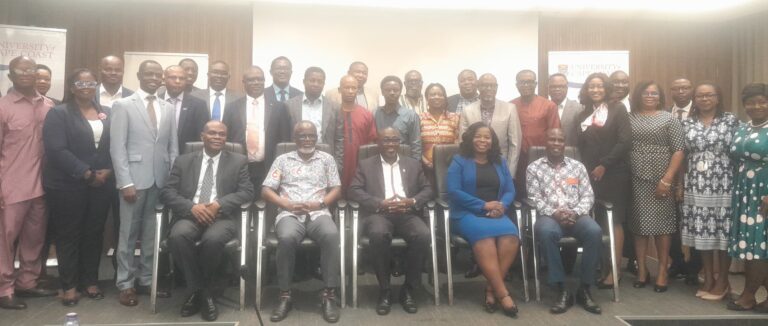
The University of Cape Coast (UCC) has established the Africa Ocean Institute (AOI), a specialised institution dedicated to advancing ocean and coastal research and promoting sustainable development within Africa’s marine sector.
The AOI is built on existing specialised centres at UCC and aims to tackle increasing environmental, socio-economic and governance challenges affecting the continent’s coastal and marine spaces.
DP World Reaffirms Commitment to UN Sustainable Development Goals in Argentina
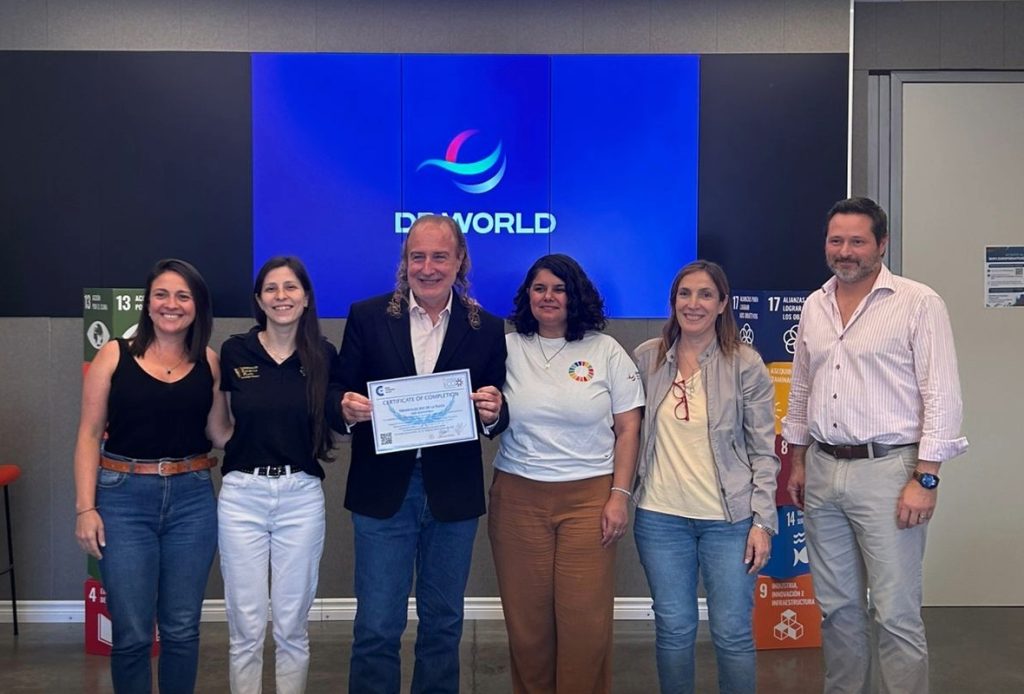
DP World has successfully completed a recertification audit confirming the integration of 10 United Nations Sustainable Development Goals (SDGs) across its operations in Argentina, reinforcing the company’s long-term commitment to responsible, sustainable management aligned with international standards.
The audit was conducted by World Certification Council LATAM and Fundación Eco-Conciencia and validated the effective integration of the SDGs into both strategic planning and day-to-day operations in Argentina.
Environmental decline and inequality threaten region’s development progress: Launch of the Asia-Pacific SDG Progress Report 2026
Report Highlights:
At its current pace, Asia and the Pacific risks missing 88% of measurable SDG targets by 2030.
UN warns that gains in reducing poverty, improving health and well-being, and driving rapid industrialization are being overshadowed by widening inequality and severe environmental decline.
While data availability for SDG indicators has improved, reaching an average of 55% in 2025, critical gaps remain.
From local action to global impact: A new framework for advancing sustainable development
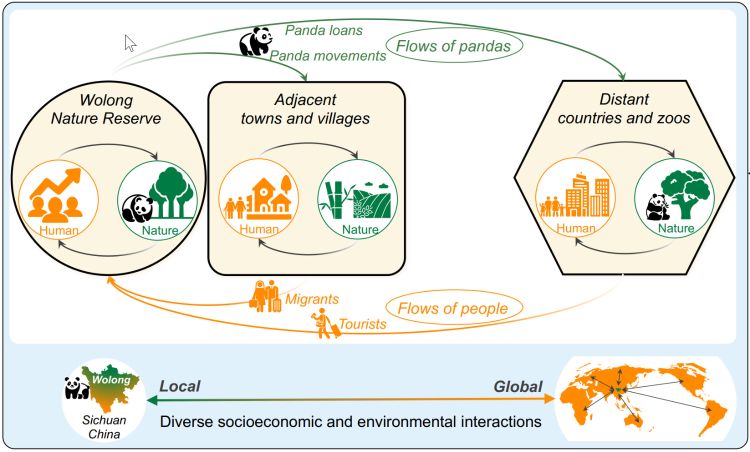
An international team, including CSIS member and Alumni, presents a comprehensive framework for understanding and managing cross-scale socioeconomic and environmental interconnections and feedback.
As countries strive to achieve the United Nations’ Sustainable Development Goals (SDGs) by 2030, a new international study published in Nature Communications brings together 19 researchers in 13 institutions — including Jianguo “Jack” Liu, Rachel Carson Chair in Sustainability and director of Michigan State University’s Center for Systems Integration and Sustainability (CSIS), former CSIS Ph.D student Zhenci Xu and two former CSIS visiting students Zhimeng Jiang and Xutong Wu — to present a comprehensive framework for understanding and managing cross-scale socioeconomic and environmental interconnections and feedback.
Vice President urges Africa to shift from dependency to integration for shared prosperity
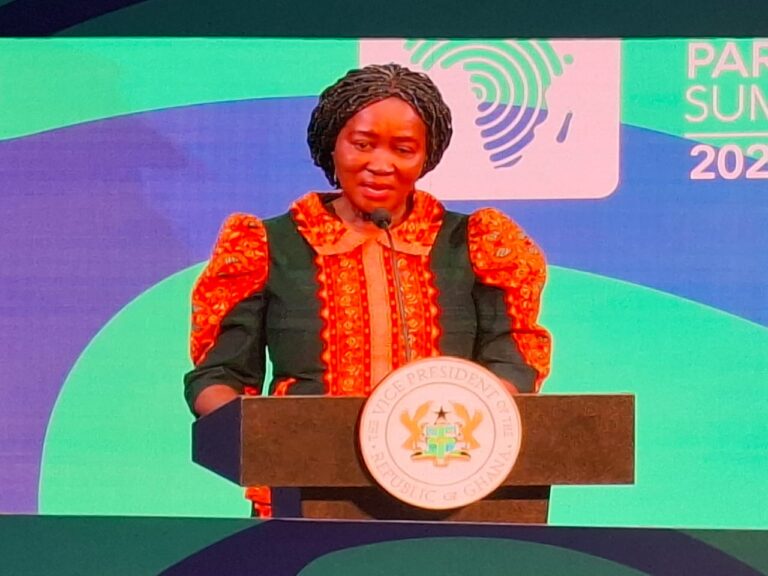
Vice President Professor Jane Naana Opoku-Agyemang has called on African countries to take decisive steps to move from dependency to integration to unlock shared prosperity for the continent.
She said Africa’s future must be intentionally shaped to empower small and medium-sized enterprises (SMEs), women and young people to achieve their goals, stressing that any development path that excluded these groups was unsustainable.
NIC, BoG and GRA Begin Strict Enforcement of Compulsory Local Marine Cargo Insurance
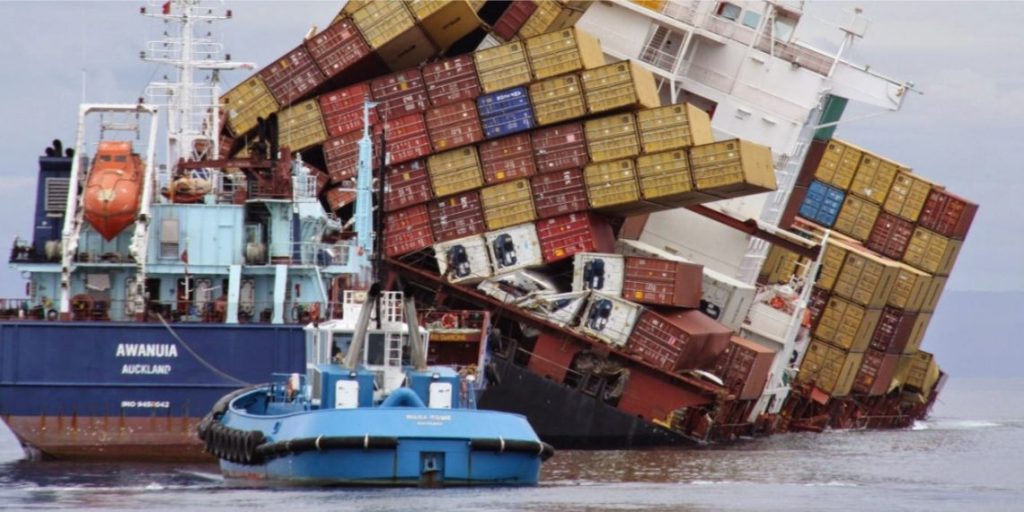
The National Insurance Commission (NIC), in collaboration with the Bank of Ghana (BoG), the Ghana Financial Stability Council and the Ghana Revenue Authority (GRA), has commenced strict enforcement of the compulsory local marine cargo insurance requirement for all imports, in line with Section 222(1) of the Insurance Act, 2021 (Act 1061).
The directive, which follows guidance from the Ministry of Finance, forms part of a coordinated effort to retain marine cargo insurance premiums within the domestic economy and deepen the local insurance market.
High-Level Preparatory Meeting in Senegal sets stage for UN Water Conference 2026

On 26 and 27 January 2026, Senegal and the United Arab Emirates hosted the High-Level Preparatory Meeting for the 2026 UN Water Conference. It brought together over 2,000 water professionals from governments, international organisations and civil society. The meeting was a platform to shape the Conference agenda, strengthen stakeholder engagement, and discuss key themes for the upcoming event, scheduled for 2-4 December 2026 in Abu Dhabi.