
Climate Shock Threatens Africa’s Recovery as AfDB Warns of GDP Losses And Migration
Africa’s
economic recovery is facing a fresh climate test after the African Development
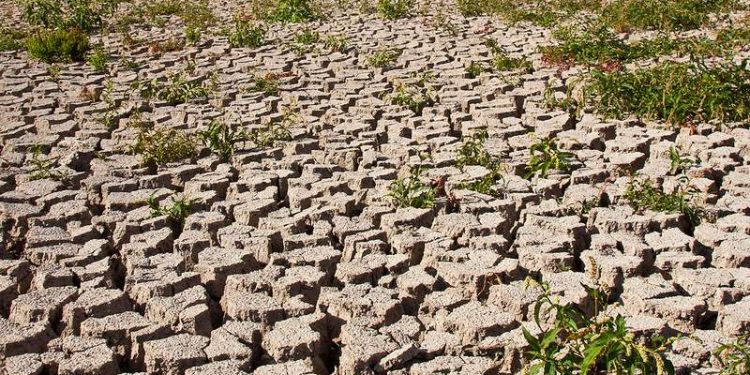
Bank warned that a powerful El Niño event could wipe between US$10.00 billion and US$20.00 billion from economies across the continent, weaken growth, damage infrastructure and intensify climate-induced migration.
The warning comes at a sensitive moment for African policymakers. The AfDB projected in its 2026 African
Economic Outlook that the continent’s economy would grow by 4.20% in 2026 before rebounding to 4.40% in 2027, positioning Africa among the faster-growing regions globally despite debt pressures, inflation risks and tighter financing conditions.
The Court Has Spoken. So Has the Assembly. What’s Next?
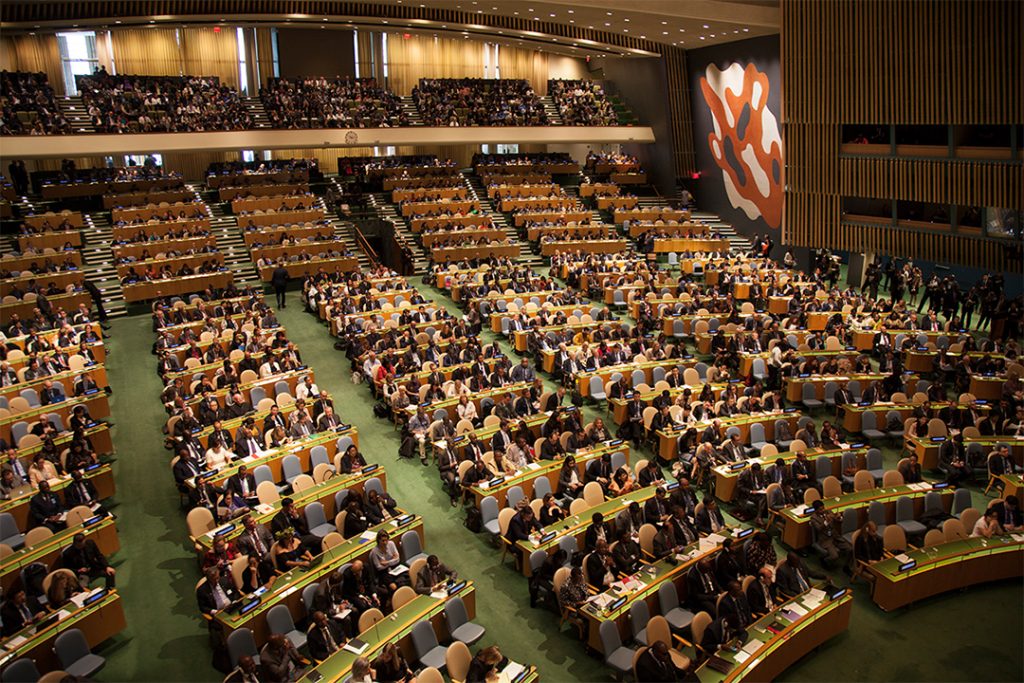
On 20 May 2026, after eleven rounds of informal consultations and months of hard-fought negotiation, the General Assembly adopted resolution A/80/L.65 on the Advisory Opinion of the International Court of Justice on the obligations of States in respect of climate change. The vote was 141 in favour, 8 against, and 28 abstentions. As the legal counsel for Vanuatu, Dr Wewerinke-Singh has noted the resolution does more than welcome the Court’s opinion; it “creates a multilateral framework for addressing dimensions of climate harm that the advisory opinion itself left for political actors to take forward.”
EU ban on destroying unsold clothes takes effect

A ban on the disposal of unsold clothes and shoes took effect across the European Union on Sunday, in the bloc’s latest move to cut waste.
Hundreds of thousands of tons of fashionwear are destroyed every year across the 27-member EU due to damage, old stock and returned online orders.
The new rule is expected to affect large fashion retailers, wholesalers and manufacturers of apparel — only 20% of which are produced in the EU.
HLPF 2026 Ministerial Declaration Affirms Commitment to the 2030 Agenda
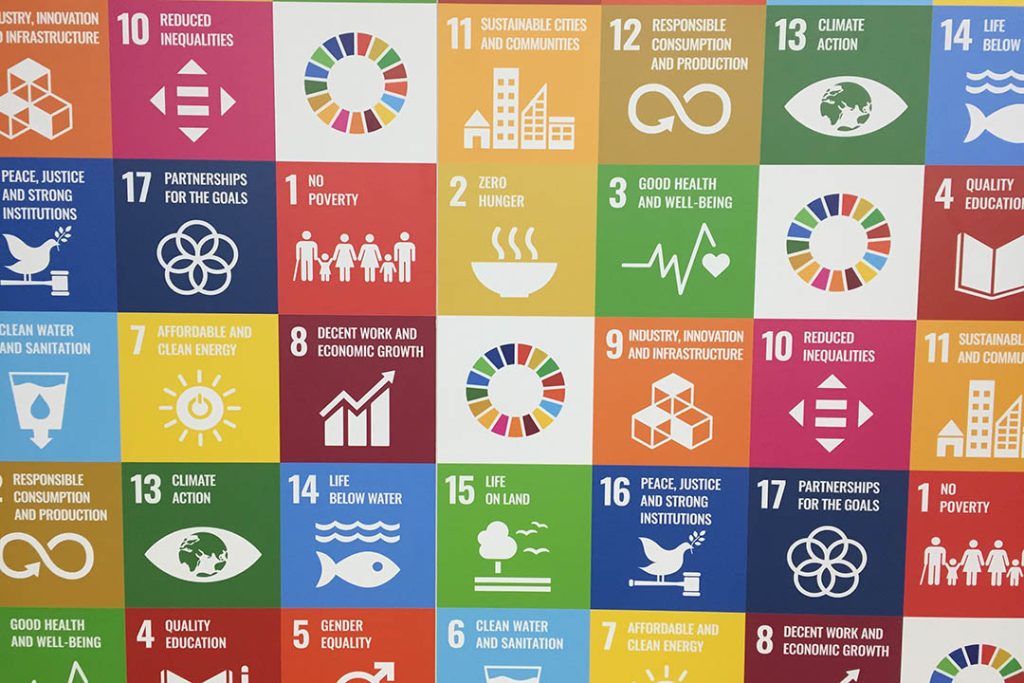
The 2026 Ministerial Declaration calls for urgent, coordinated, and inclusive action to accelerate implementation, including through strengthened multilateralism, scaled-up finance, digital and technological cooperation, gender equality, support for developing countries, and targeted action on SDGs 6, 7, 9, 11 and 17.
PPE failures left NHS staff poorly protected and wasted £10bn, Covid inquiry finds
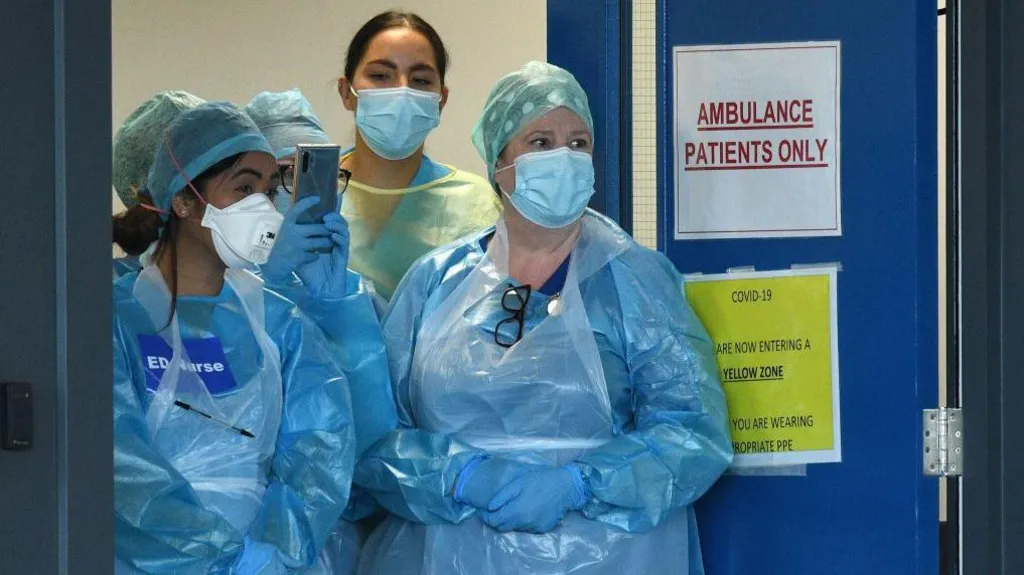
The lives of NHS staff and patients were put at risk in the pandemic because of a lack of adequate personal protective equipment (PPE), with almost £10bn of taxpayers money wasted in a scramble to buy more, the Covid inquiry has said.
The chair Baroness Hallett described the “vast” waste in pandemic procurement, amounting to £9.9bn – two-thirds of the £14.9bn the UK and devolved governments spent on PPE.
The country entered the pandemic with its stockpile of masks, gowns and gloves in a “perilous state” and was “simply not ready to compete” in the global race to secure new supplies, added the chair.
This Situation Analysis of Children and Adolescents in Ghana
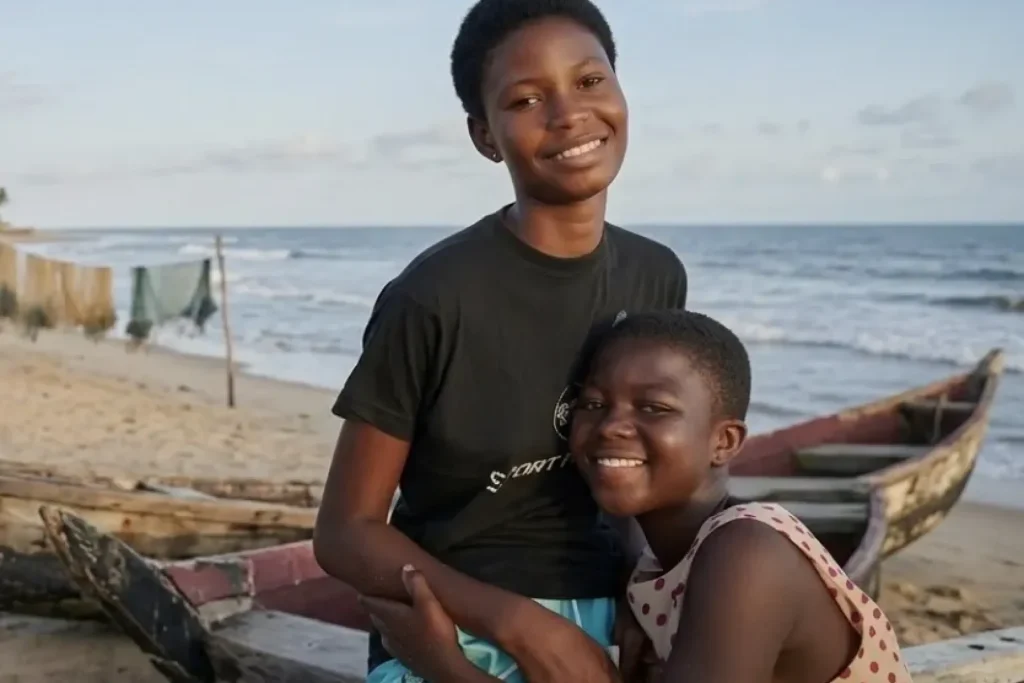
This Situation Analysis of Children and Adolescents in Ghana (2026) provides a comprehensive and evidence-based overview of the state of children’s rights and well-being across the country. Developed in collaboration between the Government of Ghana and UNICEF Ghana, the report applies a lifecycle lens— from pregnancy and early childhood through adolescence —to assess progress and gaps across key sectors, including health, nutrition, education, protection, and social welfare. Drawing on national data, research, policy reviews, and consultations with children and stakeholders, it highlights both the progress achieved and the persistent inequalities that leave the poorest, rural, and marginalized children behind.
Unlocking Potential Early
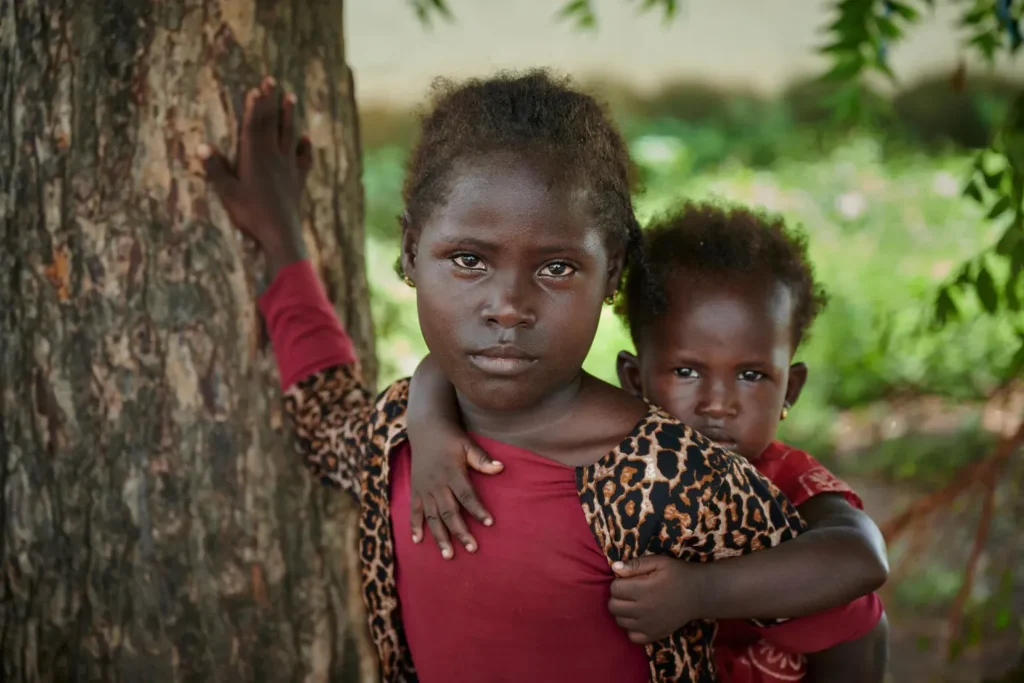
The Government of Ghana has made important progress in advancing policies and programmes to improve outcomes for children, including the adoption of a comprehensive Early Childhood Care and Development (ECCD) Policy (2025–2035). While investments have expanded over time, emerging evidence highlights imbalances in how public resources are allocated across the child life cycle, with comparatively limited investment in the earliest years when it matters most.
After a Cyclone Killed 10000, Odisha’s Women Planted 45000 Mangroves to Fight Back
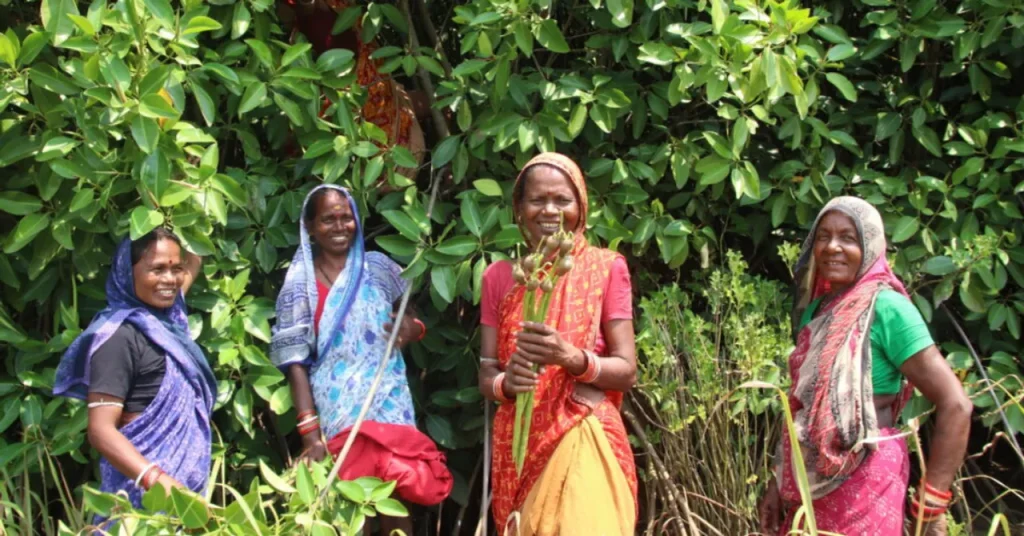
At the Devi river mouth in Puri, Soumya Ranjan Biswal is leading a women-driven mangrove restoration effort—45,000 saplings planted so far—to rebuild a natural barrier against cyclones and secure coastal livelihoods.
Mahama directs release of GH¢300m for flood relief and mitigation
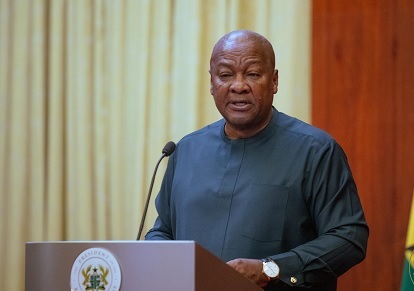
President John Dramani Mahama has directed the immediate release of GHS300 million from the Contingency Fund to support urgent flood relief and mitigation efforts following severe flooding in parts of Accra and other communities in southern Ghana.
Ghana Signs the Pledge to Advance Ocean Accounts by 2030
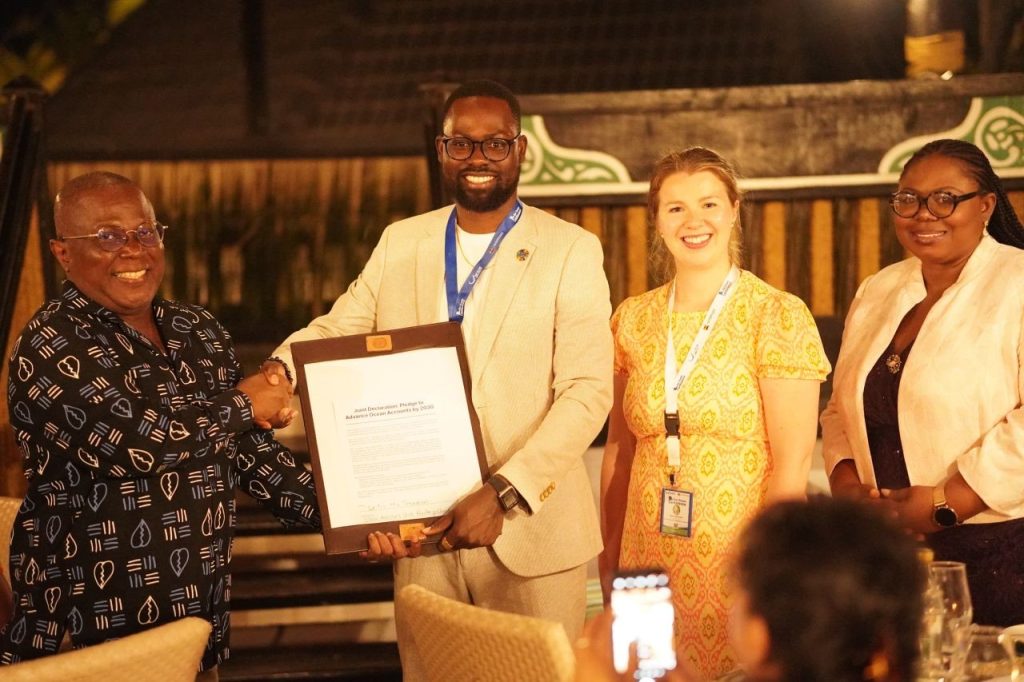
Ghana has formally signed the Pledge to Advance Ocean Accounts by 2030, committing the country to integrating ocean accounting into its national governance and development planning. The commitment was made on the sidelines of the 11th Our Ocean Conference in Mombasa, Kenya, at the Africa’s Ocean Accounting Dinner, a gathering convened to advance the continent’s ocean accounting agenda. The Pledge was signed on behalf of Ghana by Dr Nii Moi Thompson, Senior Presidential Advisor on the Sustainable Development Goals, Ghana’s Ocean Sherpa and the Chairman of the National Development Commission (NDPC), in the presence of key international partners from the Global Ocean Accounts Partnership (GOAP) and government officials of other African countries.